
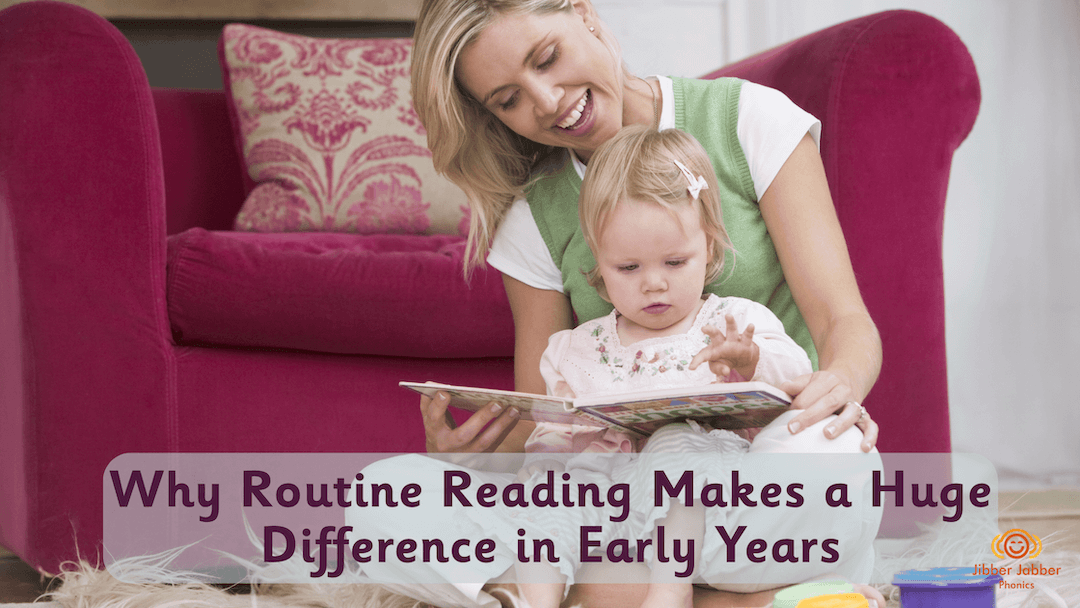
In the Early Years, daily reading routines are far more than just a nice extra – they’re one of the most powerful ways to boost children’s literacy skills. Whether you’re in a nursery, preschool, Reception class, or homeschooling, making reading a regular part of the day can have a huge impact on language development, phonics progress, early reading fluency, and a lifelong love of books. Building these strong early literacy habits helps children become confident, independent readers who are ready for every stage of learning ahead.
It’s not about long, complicated sessions — it’s about small, consistent moments that children can rely on. Those five, ten, or fifteen minutes each day are the seeds that grow into confident readers for life.

And here’s the best part: when Storytime is fun and engaging, children don’t just learn – they fall in love with reading.
Why Daily Reading Is Essential in Early Years Education
Reading regularly in the Early Years Foundation Stage (EYFS) helps children develop:
- Phonics skills – repeated exposure to sounds, words, and patterns helps with blending and segmenting.
- Vocabulary – new words and phrases from books build their language bank.
- Listening and concentration – vital skills for all areas of learning.
- Comprehension – understanding stories, predicting outcomes, and making connections.
Routine reading also creates a sense of security. When children know Storytime happens every day, it becomes a treasured part of the day — something they look forward to and expect.
Even the smallest consistent reading moments add up. Research shows that children who are read to for just 10 minutes a day hear over 600,000 more words in a year than those who aren’t. That extra language exposure makes a huge difference in literacy outcomes.
For evidence-backed phonics guidance, see the EEF’s guidance on phonics for Early Years teachers.
The Challenge for Teachers and Support Staff
For Early Years practitioners, the biggest challenge is keeping daily reading engaging so it doesn’t become a tick-box task. When Storytime feels exciting, children are more likely to pay attention, join in, and remember what they’ve heard.
And here’s where small routines shine — you don’t have to overhaul your timetable to fit them in. Slotting in quick, high-quality reading moments (at the same time each day) gives structure without stress.
How to Make Routine Reading Fun in Nursery, Reception, and at Home
Here are my tried-and-tested ways to make daily reading the highlight of the day in the Early Years — plus examples you can use right away:
1. Bring the story to life
Use different voices, facial expressions, and actions. EYFS children love a dramatic wolf, a squeaky mouse, or a booming giant.
- In The Gruffalo, deepen your voice for the Gruffalo, make tiny squeaks for the mouse, and pause dramatically before the punchline.

2. Encourage participation
Ask open-ended questions to keep them thinking:
- “What do you think will happen next?”
- “Why do you think the character feels this way?”
- “Can you spot the… [object/animal/colour] in the picture?”
Let them join in with repeated refrains like We’re Going on a Bear Hunt – “we’re not scared!”
3. Mix familiar favourites with new books
Keep a core set of much-loved stories (Dear Zoo, The Three Little Pigs, Brown Bear, Brown Bear) but add in seasonal or themed books to keep things fresh.
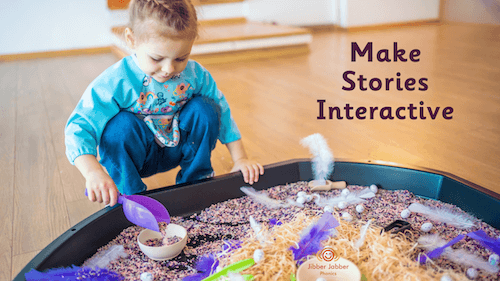
4. Make it multisensory
Pair the book with a quick hands-on activity:
- The Very Hungry Caterpillar → fruit tasting, paper plate caterpillars, counting how many fruits were eaten.
- Room on the Broom → making magic wands from sticks and ribbon, acting out the broom scene.
- Shark in the Park → making “telescopes” from cardboard tubes to spot shapes around the classroom.
For interactive phonics games that support Storytime, explore Alpha Blocks.
5. Create a special reading space
A cosy corner with cushions, fairy lights, and a “story chair” signals to children that something special is about to happen. Add a “story hat” or soft toy “story mascot” that only comes out during reading time for extra excitement.
Quick Tip for Busy Classrooms (and Busy Homes!)
Daily reading doesn’t have to be long or complicated — even just 10–15 minutes a day makes a big difference. Consistency matters more than length, so short, joyful reading sessions are way better than long, dragged-out ones that lose the children’s attention.
When I was teaching, I often found it helpful to include Storytime at either the start or end of the day:
- At the start of the day – reading a familiar story helped settle the children as they arrived. It gave them a calm, focused moment to transition from home to school and prepared them mentally for the day ahead.
- At the end of the day – Storytime was a lovely way to help them relax and unwind before going home. It created a peaceful routine and gave children something to look forward to — especially after a busy day of learning and play.
The same works beautifully at home — a regular bedtime story is one of the best ways to keep a love of books growing. It’s a daily dose of comfort, connection, and language learning, all wrapped into one.
3-Day Mini Reading Routine to Try This Week
If you’re just starting, here’s a quick plan you can use:
- Day 1: Choose a familiar favourite. Use dramatic voices and pause to let them join in.
- Day 2: Read the same story again but add a simple craft or role-play linked to it.
- Day 3: Let the children “read” the story back to you using the pictures, props, or puppets.
Always-Works Storytime Props
- Hand puppets or finger puppets
- A “story hat” you wear when reading
- Soft toys as “reading buddies”
- A sound button or chime to start Storytime
- Scarves or simple costume pieces for role play
Why This Matters for Lifelong Learning
Children who are read to every day in the Early Years are far more likely to become confident, independent readers in later primary school. Those small, regular reading moments are powerful — they plant seeds that grow into strong literacy skills, better communication, and a genuine love for learning.
And it’s not just in school — at home, a nightly bedtime story creates a consistent, comforting routine that builds reading as a lifelong skill. These daily habits send a powerful message: books are part of life, not just a school activity.

For parent and teacher advice on encouraging reading at home and school, visit BookTrust’s Early Years reading tips.
So tomorrow, whether you’re in a nursery, Reception class, or homeschooling, remember – Storytime isn’t just a fun extra. It’s shaping their future, one small, consistent moment at a time.
If you’d love more practical, ready-to-use tips for making reading fun and effective in the Early Years, complete the short form below and I’ll send you more top tips straight to your inbox.
You might also like: 6 Fun and Easy Phonics Activities to Boost Your Child’s Reading Skills at Home — packed with playful, no-prep ideas you can start using today.