

One question that often comes up when I’m training or with parents is:
“Why are phonological and phonemic awareness so important for young learners?”
Here’s the thing—there are three key building blocks to cracking the code of reading and writing early on. These are:
- Phonological Awareness
- Phonemic Awareness
- Phonics
The more we understand and teach these stages, the more we can support our little learners on their journey to becoming confident, independent readers and writers. So, let’s break these down.
1. Phonological Awareness
Phonological awareness is all about hearing and playing with the sounds in spoken language—before we even introduce letter sounds.
Think of it as a sound game you can play with your eyes closed. It’s about listening to how words sound, the rhythm in words, syllables, and rhyme. Children with strong phonological awareness are more likely to become successful readers. And it begins developing before formal schooling even starts.
I always say: If your eyes are closed, you’re doing it right! We’re not writing yet—we’re just listening.
Let me share a little story. My great-nephew was on the train, staring out the window and told his mum, “Window sounds like one.” What a brilliant moment! He recognised the similar beginning sounds—that’s phonological awareness in action. No need to correct him—even though the spelling is different, he’s tuned into the sound patterns. Perfect for a 3-year-old and a great sign he’s on the right path.
Here are a few more simple, fun ways to build phonological awareness:
✅ Word Awareness Activities
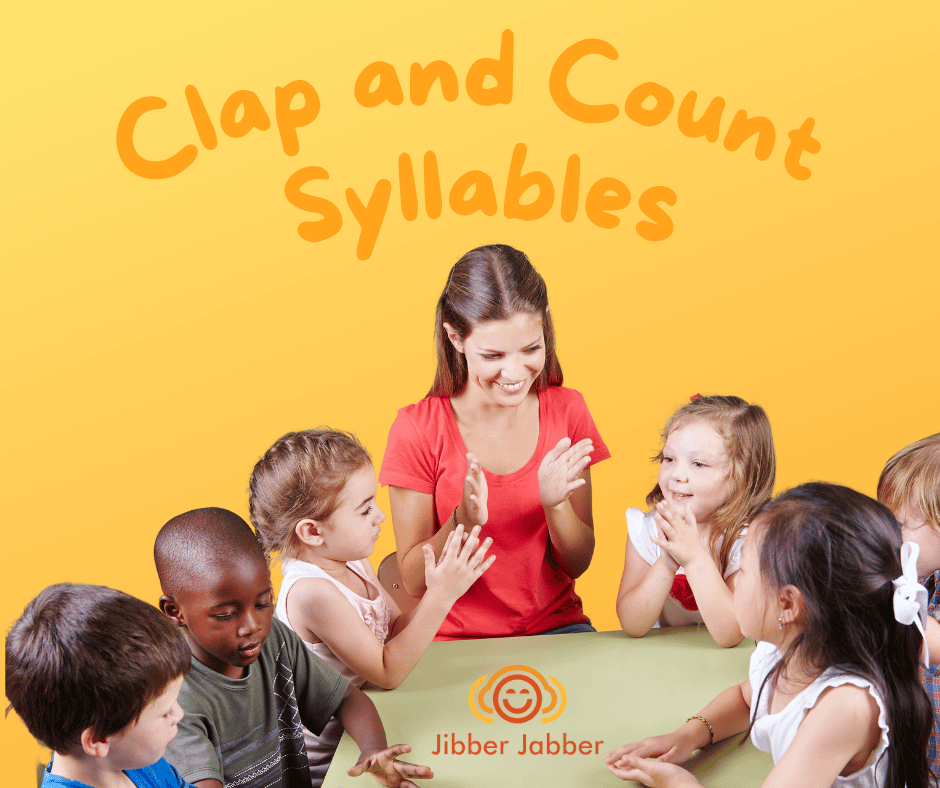
Get children clapping, marching, or tapping out the words in a sentence.
- “I am happy” = 4 claps
- “What is your name?” = 4 claps
- “My name is Harry” = 5 claps
This helps learners realise that sentences are made up of individual words—something we take for granted but is HUGE for beginners.
✅ Listening for Sounds in Words
Start with CVC words (consonant-vowel-consonant), like sat. Then ask:
- What’s the first sound? /s/
- What’s the middle sound? /a/
- What’s the last sound? /t/
Make sure you stretch the sound clearly—and no adding “uh” at the end of /t/!
✅ Onset and Rime
This is great for helping children hear word families. Try:
- /at/ — cat, bat, hat
- /ig/ — big, wig
- /og/ — dog, log
- /ar/ — car, jar
Try this fun puzzle-style game: cut pictures of these words in half (onset and rime), mix them up and let your learner match them. Get them to say the onset (/d/), the rime (/og/), and blend them together—dog!
2. Phonemic Awareness
Phonemic awareness is a step deeper—it’s the ability to hear, identify and play with individual sounds (phonemes) in words. This is where we break a word down sound by sound.
It’s still all listening and speaking—no writing yet. Once learners have built this skill and have a good grasp of letter sounds, they’re well on their way to reading success.
Phonemic awareness teaches two crucial skills:
- Blending: pushing sounds together to make a word
- Segmenting: pulling sounds apart to spell or say a word
Here are a few activities you can try:
✅ Fingers for Sounds
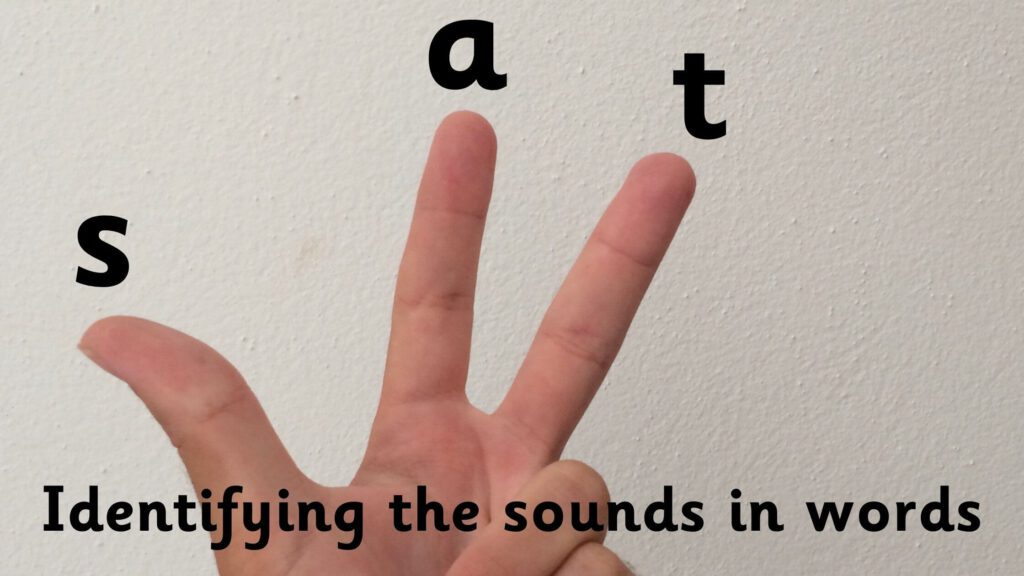
Say a word out loud and hold up a finger for each sound.
For example, shop → /sh/ /o/ /p/ = 3 fingers
Make sure to match fingers to sound order!
✅ Sound Spotting
Say a word and ask children to find others with the same sound—even if the spelling looks different. For example:
- /ai/ as in day → weigh, paid, way
- /oo/ as in push → sugar, duty, zoo
3. Phonics
Phonics brings everything together. It’s the connection between letters and sounds. Once learners have a good handle on phonological and phonemic awareness, phonics becomes the next step.
With phonics, learners blend (read) and segment (spell) using their knowledge of graphemes (letter patterns) and phonemes (sounds).
✅ Blending Activity
Say two short words separately—like “pop” and “corn”. Ask learners to blend them together: “popcorn!”
✅ Segmenting Activity
Now do the opposite. Say “popcorn” and ask learners to break it into two parts—“pop” + “corn”.
✅ Decodable Readers Are a Must!
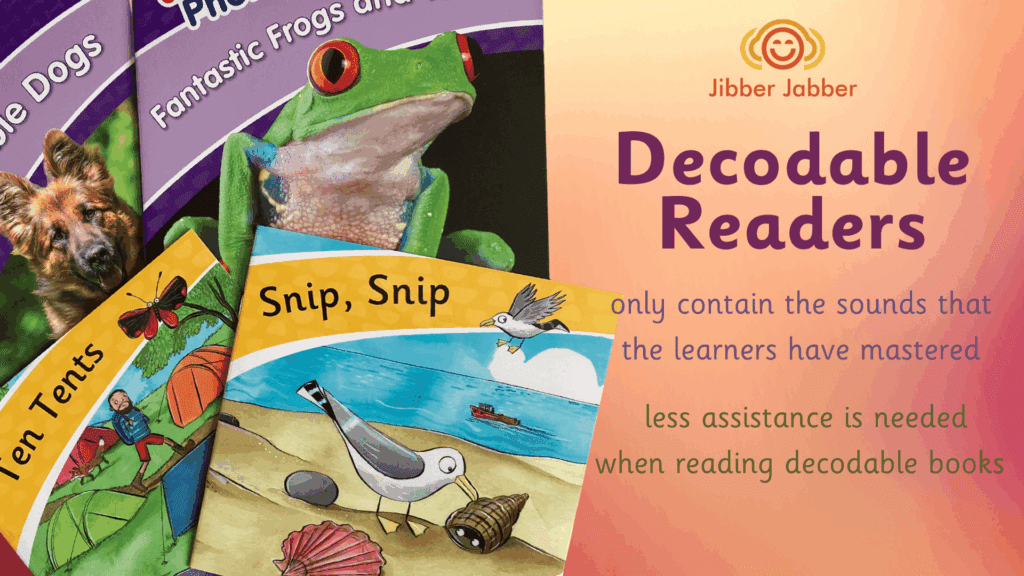
To build confidence and fluency, use decodable books that match your phonics programme. These are carefully written using only the sounds and words learners have been taught so far—so they experience success and start to love reading.
When children know their letter sounds, they can use them to decode unfamiliar words at school and beyond. This skill supports them well into adulthood, even when reading specialised or technical vocabulary in their careers.
In a nutshell…
When we understand and teach the stages of phonological awareness, phonemic awareness, and phonics, we’re setting children up with lifelong reading and writing skills. This is what builds confidence, fluency, and a love of language.
I hope these ideas have inspired you and given you some practical ways to bring these essential skills into your phonics lessons.
👉 What are some of your favourite ways to teach these skills? I’d love to hear what works for you—drop me a message or comment below!
And if you found this blog helpful, feel free to share it with your colleagues and fellow phonics fans!